Postpartum Depression in Washington, DC: A Clinical Psychologist’s Guide to Understanding, Healing, and Support that is Culturally Responsive
Becoming a parent is often described as joyful, transformative, and deeply meaningful. And while those experiences are real, they are not the whole story. For many new parents in Washington, DC, the postpartum period is also marked by profound emotional shifts, unexpected sadness, and a sense of being overwhelmed. As a clinical psychologist practicing in the DC metro area, I meet individuals every week who quietly share a version of the same truth: “I love my baby, but I don’t feel like myself.”
Postpartum depression (PPD) is far more common than most people realize. Nationally, about 1 in 8 mothers experience postpartum depression (2), and symptoms can emerge anytime in the first year after birth. Recent CDC data also show that 7.2% of parents report postpartum depressive symptoms at 9–10 months postpartum, and more than half of those individuals had not reported symptoms earlier in the postpartum period1. This means many parents develop depression later than expected, long after routine medical visits have ended.
In a city like Washington, DC (and the surrounding metro area) —where high achievement, long work hours, and limited family support are common—PPD can be especially difficult to navigate. This blog explores what postpartum depression looks like, why it often goes unnoticed, how it is treated, and how cultural identity shapes the postpartum experience.
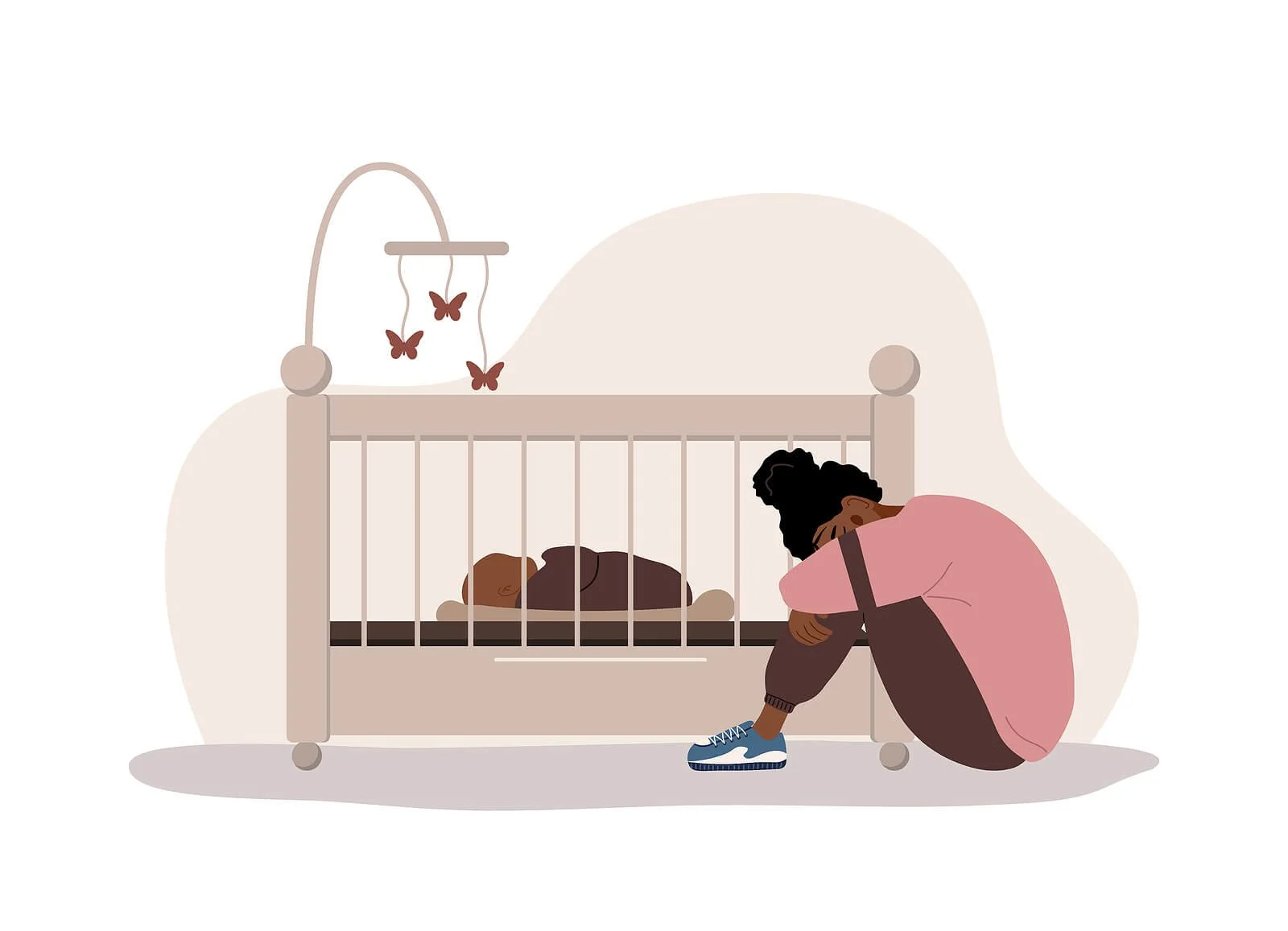
Understanding Postpartum Depression: Beyond the “Baby Blues”
Many new parents experience the “baby blues”—a short-term period of tearfulness, irritability, and emotional sensitivity that affects up to 75% of new mothers and typically resolves within two weeks3. Postpartum depression is different.
PPD is a clinical condition that lasts longer, feels heavier, and interferes with daily functioning. According to clinical guidance from the Cleveland Clinic, symptoms may include:
Persistent sadness or hopelessness
Severe mood swings
Irritability or anger
Excessive crying
Difficulty bonding with the baby
Withdrawal from loved ones
Sleep or appetite changes
Extreme fatigue
Feelings of guilt, shame, or inadequacy
Difficulty concentrating
Anxiety or intrusive thoughts
Thoughts of self-harm (which are treatable symptoms and require immediate support) (3)
Symptoms can appear within days of birth or gradually over the first year. The CDC’s findings reinforce this: nearly 3 in 5 individuals with depressive symptoms at 9–10 months postpartum had not reported symptoms earlier (1). This highlights the importance of ongoing screening and support throughout the entire postpartum year.
Why Postpartum Depression Is So Common in Washington, DC
Washington, DC is a unique environment—fast-paced, high-pressure, and filled with individuals who are used to performing at a high level. Many new parents here are juggling demanding careers, long commutes, limited parental leave, and the high cost of childcare. These stressors can intensify the emotional challenges of early parenthood.
Risk factors for postpartum depression include:
Hormonal changes after birth
Sleep deprivation
Lack of social support
Relationship stress
Financial strain
Personal or family history of depression
Difficult pregnancy or birth
Challenges with breastfeeding
In DC, many new parents also live far from extended family, which means they’re navigating newborn care without the built-in support systems previous generations relied on. The result is a perfect storm: high expectations, low support, and intense pressure to “bounce back.”
The Hidden Face of Postpartum Depression
One of the most striking patterns I see in my practice is how often postpartum depression goes unnoticed—by partners, friends, medical providers, and even the parent themselves.
Why? Because postpartum depression doesn’t always look like sadness.
Sometimes it looks like:
A parent who appears “high-functioning” but feels numb inside
A parent who is constantly anxious about feeding, sleep schedules, or safety
A parent who is overwhelmed by guilt for not feeling “grateful enough”
A parent who is terrified to admit intrusive thoughts
Many new parents in DC are used to pushing through stress. They’re accustomed to being competent, organized, and in control. When postpartum depression disrupts that sense of mastery, shame often keeps them silent.
But postpartum depression is not a personal failure. It is a treatable medical condition.
Cross-Cultural Considerations in Postpartum Depression
Postpartum depression does not occur in a cultural vacuum. Cultural identity shapes how parents understand their symptoms, whether they seek help, and how they experience support. In a diverse city like Washington, DC—home to families from every corner of the world—culturally responsive care is essential.
Some cultural considerations include:
1. Cultural Beliefs About Motherhood
In many cultures, motherhood is idealized as joyful, intuitive, and self-sacrificing. When a parent feels sadness, irritability, or disconnection, they may interpret these symptoms as personal failure rather than a treatable condition.
2. Stigma and Silence
In some communities, mental health concerns are stigmatized or minimized. Parents may fear judgment, gossip, or being perceived as “ungrateful” or “weak,” which delays help-seeking.
3. Variations in Social Support
Some cultures emphasize extended family involvement, while others expect parents—especially mothers—to manage independently. Immigrant parents may experience isolation if their support networks are far away.
4. Language and Communication
Symptoms may be expressed differently across cultures. For example, some individuals describe depression through physical symptoms (fatigue, headaches, body pain) rather than emotional language.
5. Experiences of Racism, Bias, and Medical Mistrust
Black, immigrant, and marginalized parents often face systemic barriers in healthcare. These experiences can increase stress during the perinatal period and reduce trust in providers.
6. Culturally Responsive Treatment
Effective care acknowledges cultural values, family structures, spiritual beliefs, and the parent’s lived experience. This may include:

Incorporating cultural strengths and traditions
Exploring culturally specific expectations of motherhood
Validating experiences of discrimination or marginalization
Offering therapy in the parent’s preferred language
Collaborating with culturally aligned support networks
Culturally responsive care is not an “add-on”—it is central to ethical, trauma-informed postpartum treatment.
How Postpartum Depression Is Diagnosed
Diagnosis typically involves a clinical interview, validated screening tools, and a review of symptoms. Providers may ask about mood, sleep, appetite, intrusive thoughts, bonding, and functioning. Because symptoms often emerge after early postpartum visits, ongoing screening is essential.
A psychologist at Manas Cor or a mental health provider can help clarify whether symptoms reflect postpartum depression, postpartum anxiety, postpartum OCD, or another perinatal mood and anxiety disorder (PMAD). These conditions are common and highly treatable.
Evidence-Based Treatment for Postpartum Depression in DC
Postpartum depression responds well to a combination of therapy, social support, lifestyle adjustments, and sometimes medication. In Washington, DC, parents have access to a wide range of specialized perinatal mental health services.
1. Cognitive Behavioral Therapy (CBT)
CBT helps parents identify and shift unhelpful thought patterns that fuel depression. It is one of the most researched and effective treatments for postpartum depression.
2. Interpersonal Therapy (IPT)
IPT focuses on relationships, role transitions, and communication—areas that often shift dramatically after birth.
3. Mindfulness-Based Approaches
Mindfulness helps parents regulate their nervous system, reduce rumination, and reconnect with their bodies.
4. Medication Management
For moderate to severe postpartum depression, antidepressants can be highly effective. Many medications have strong safety profiles during breastfeeding when prescribed by a perinatal-trained psychiatrist.
5. Couples or Family Therapy
Postpartum depression affects the entire family system. Therapy can strengthen communication and support.
6. Community-Based Support
DC offers postpartum retreats, support groups, and perinatal specialists who provide rest, coaching, and newborn care—especially valuable for parents without local family support.
Why Early Support Matters

Postpartum depression can last months or even years if untreated. But with support, most parents recover fully. Early intervention can:
Strengthen bonding
Improve sleep
Reduce anxiety
Support healthy attachment
Improve relationship satisfaction
Restore a sense of identity and confidence
Seeking help is not a sign of weakness—it is a sign of strength, insight, and care for both yourself and your baby.
You Don’t Have to Navigate This Alone: Therapy in DC for PPD
Postpartum depression is common, real, and treatable. Whether you’re a first-time parent or navigating the postpartum period again, you deserve support that honors your experience, your cultural identity, and your emotional well-being. Our team of psychologists is here to support your journey in motherhood.
Reach out to us here to get paired with a compassionate therapist.
Explore our resources and blogs for insights into postpartum OCD, depression and anxiety.
With the right treatment, parents don’t just recover—they grow, heal, and thrive.
Other Services We Offer for DC Parents
Alongside individual therapy for postpartum depression, we offer psychological testing to offer insights into a range of cognitive and emotional concerns. Additionally, group therapy for anyone seeking connection and shared support.
References (3)
1Timing of Postpartum Depressive Symptoms. https://www.cdc.gov/pcd/issues/2023/23_0107.htm
2Postpartum Depression Statistics (2025) | PPD Research & Data. https://www.postpartumdepression.org/resources/statistics/
3Postpartum Depression: Causes, Symptoms & Treatment. https://my.clevelandclinic.org/health/diseases/9312-postpartum-depression
About the Author
Dr. Kantoniony (Kanto) Rabemananjara is a Postdoctoral Associate and a clinical psychologist who received her PhD in Clinical Psychology from The George Washington University. She completed advanced clinical training at Cambridge Health Alliance/Harvard Medical School, where she specialized in child and family mental health.
Dr. Rabemananjara provides therapy to children, adolescents, and adults, with particular expertise in perinatal mental health and parenting. Her clinical approach is trauma-informed and integrative, drawing from cognitive behavioral therapy (CBT), mindfulness-based strategies, play therapy, and attachment-focused interventions. She is committed to supporting individuals and families through developmental transitions with care that is thoughtful, evidence-based, and grounded in relational understanding.